What to know about Newham Council rubbish rules Manor Park
If you live or work in Manor Park, rubbish rules can feel oddly specific until the day you need them. Then suddenly it is all very real: a missed collection, a bag left out too early, a sofa that cannot just be dumped by the kerb, and the nagging worry that you might get it wrong. This guide explains What to know about Newham Council rubbish rules Manor Park in plain English, so you can stay compliant, avoid fly-tipping mistakes, and deal with waste without the usual hassle. We will walk through how the system works, what tends to catch people out, and when a local clearance service makes more sense than trying to improvise.
Truth be told, most rubbish problems are not caused by bad intentions. They happen because people are busy, the street is tight, and no one wants bins sitting around smelling up the front of the house for longer than necessary. Let us make it simpler.
Table of Contents
- Why What to know about Newham Council rubbish rules Manor Park Matters
- How What to know about Newham Council rubbish rules Manor Park Works
- Key Benefits and Practical Advantages
- Who This Is For and When It Makes Sense
- Step-by-Step Guidance
- Expert Tips for Better Results
- Common Mistakes to Avoid
- Tools, Resources and Recommendations
- Law, Compliance, Standards, or Best Practice
- Options, Methods, or Comparison Table
- Case Study or Real-World Example
- Practical Checklist
- Conclusion
- Frequently Asked Questions
Why What to know about Newham Council rubbish rules Manor Park Matters
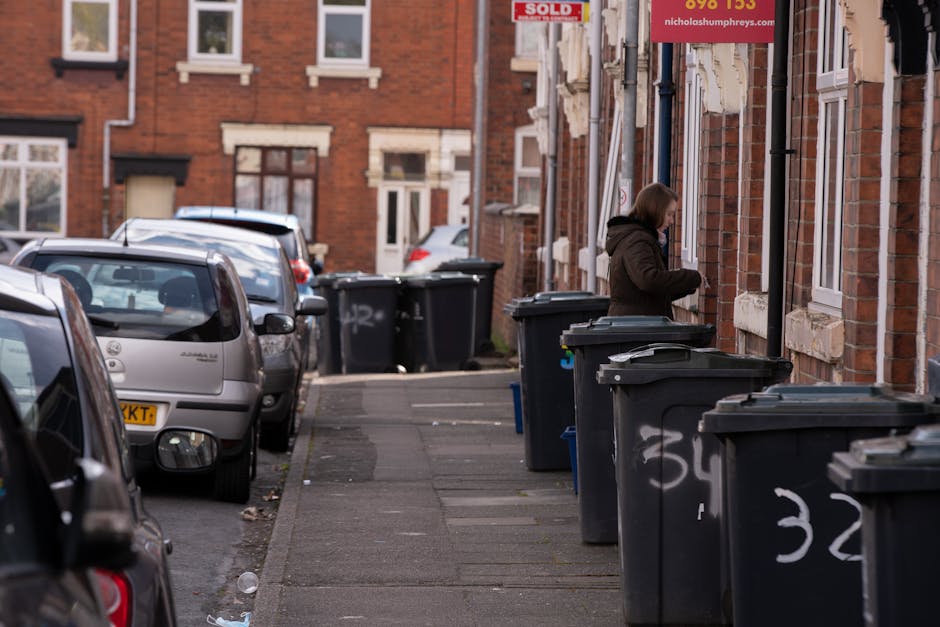
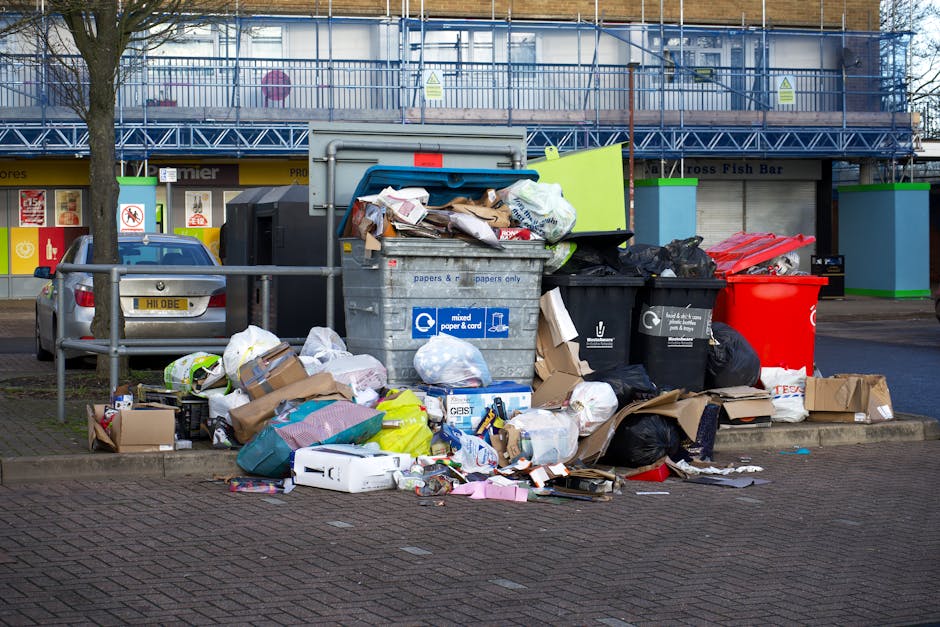
Rubbish rules matter because waste is one of those everyday things that affects everything else. If it is handled badly, you get blocked pavements, pests, complaints from neighbours, and sometimes an avoidable fine or collection issue. In a busy part of east London like Manor Park, where terraced streets, flats, shared bins, and narrow access are common, poor waste handling can become a small headache very quickly.
It also matters because local rubbish rules are not just about the council emptying your bins. They also shape how you store waste, separate recycling, present bulky items, and deal with items that need special disposal. That includes everything from broken furniture to paint tins, fridges, and renovation debris. If you are clearing out a flat, managing a shop, or simply trying to keep a family home under control, the rules affect your day-to-day routine more than people expect.
A lot of people only search for rubbish guidance after something has already gone wrong. A missed collection. A neighbour's complaint. A pile of cardboard after a move. The better approach is to know the basics before that happens, because that is where the stress drops right off.
Expert summary: The safest approach in Manor Park is simple: separate your waste properly, keep it presented where and when it should be, and treat bulky or unusual items as needing extra care rather than a quick guess.
How What to know about Newham Council rubbish rules Manor Park Works
At a practical level, Newham's rubbish rules are about how household and commercial waste should be stored, sorted, presented, and collected within the borough. For Manor Park residents, that usually means understanding what goes in general waste, what can be recycled, what needs separate handling, and what should never be left out as ordinary rubbish.
Most households will be dealing with a mix of:
- general black bag waste
- mixed recycling
- food waste, where applicable
- garden waste, if you have it
- bulky waste such as sofas, tables, mattresses, or appliances
Businesses have a different set of responsibilities. If waste is generated from trade activity, office use, or a commercial property, it is not treated the same way as normal domestic rubbish. That is where a service such as business waste removal becomes especially useful, because commercial waste needs proper handling, documentation, and disposal routes that are suitable for the type of material involved.
Collection days and presentation rules are another part of the picture. Put simply, bins usually need to be out at the right time and in the right place, and they should not be overfilled in a way that stops crews from emptying them safely. Sounds obvious, but everyone has seen the lid that will not close. It happens.
Then there is the question of what you are actually allowed to throw away. This is where people often get caught out with items like plasterboard, broken appliances, mattresses, garden cuttings, and mixed renovation waste. If you are planning a larger clear-out, checking what can go in a skip is a sensible starting point, even if you are not hiring a skip. The same principles help you avoid contaminated loads and last-minute surprises.
Key Benefits and Practical Advantages
Knowing the rubbish rules properly is not just about avoiding trouble. It makes life easier in a few very real ways.
- Cleaner streets and frontages: waste stored correctly does not blow around, smell as badly, or attract pests.
- Fewer missed or rejected collections: if your bags, bins, and recycling are prepared properly, crews can do their job more smoothly.
- Less risk of neighbour disputes: shared areas and communal bin stores can get tense, quickly. Good waste habits reduce friction.
- Better recycling results: separating waste properly means more material can be processed rather than sent to disposal.
- Lower chance of non-compliance: whether it is council enforcement or just a complaint from the street, staying organised helps.
There is also a more practical advantage that people do not always think about: time. If you already know which waste stream something belongs in, you do not end up standing in the kitchen at 9pm with a broken lamp in one hand and a recycling bag in the other, wondering where on earth it should go. Been there, honestly.
For larger household jobs, using a service that handles sorting and removal can also reduce stress. If a room is full of unwanted items, a home clearance or house clearance service may be a better fit than making endless trips to figure things out yourself.
Who This Is For and When It Makes Sense
This topic is relevant to more people than you might think. It is not just for homeowners with overflowing bins. It matters if you are:
- a tenant moving in or out of a flat in Manor Park
- a landlord clearing a property between lets
- a family doing a seasonal declutter
- a small business owner managing packaging, office waste, or old stock
- a tradesperson dealing with post-work debris
- someone with bulky items that will not fit in a normal bin
It also makes sense when your waste situation is a bit awkward. For example, if you are clearing a loft after years of storage, dealing with a garage full of old paint and tools, or handling mixed waste after DIY work, council rules alone may not be enough guidance on their own. You need to know both what is allowed and what is sensible.
For flats and shared buildings, the issues can be more social than technical. One resident leaves bags in the corridor, another puts recycling in the wrong container, and suddenly the whole bin store is a mess. In those cases, a flat clearance can sometimes be the cleanest route if the situation has got out of hand.
Step-by-Step Guidance
If you want to handle rubbish in Manor Park without second-guessing yourself, a simple process works best.
- Sort the waste by type. Separate general waste, recycling, food waste, bulky items, and anything hazardous or unusual.
- Check whether the item needs special handling. Fridges, mattresses, electronics, chemicals, and construction materials often do.
- Decide whether it is council-bin waste or clearance waste. If it does not fit the normal system, do not force it into one.
- Prepare items properly. Flatten cardboard, bag loose rubbish, and keep sharp or messy items contained.
- Place bins and bags correctly. Follow the local presentation rules and avoid blocking pavements or shared access.
- Book a bulk or specialist removal if needed. For larger jobs, use a proper removal route instead of leaving items outside.
- Keep records if it is commercial waste. Businesses should be extra careful about duty of care and disposal documentation.
That may sound like a lot, but in practice it is mostly about stopping yourself from putting everything into one vague pile and hoping for the best. The best waste outcomes are boring. Boring is good.
If the job involves old appliances, it is worth using a dedicated fridge and appliance removal service so that coolant, electrical parts, and other material are handled properly. For worn-out beds and lounge furniture, mattress and sofa disposal is often the easiest and most responsible route.
Expert Tips for Better Results
Here are a few practical tips that make a real difference in Manor Park, especially if you are dealing with shared streets, smaller homes, or busy family life.
- Keep a small "not sure" box. Put odd items in one place until you have time to identify them properly. It saves mistakes.
- Do a five-minute waste sweep before bin day. You will catch cardboard, packaging, and loose rubbish before it becomes a nuisance.
- Keep food waste separate from dry recycling. A small amount of contamination can make the whole bag less useful.
- Do not leave bulky waste outside "just for a bit." It rarely stays put, and it can become a trip hazard or an eyesore very quickly.
- For mixed clear-outs, work room by room. That is usually faster than trying to decide everything at once.
- Protect the pavement and shared areas. If you are moving out items, lift carefully, avoid dragging, and think about neighbours using the same entrance.
If you are clearing a lot in one go, a specialist service can save a surprising amount of time. Waste removal is often the middle ground between doing it yourself and hiring something far bigger than you need.
And one small thing: if you are ever unsure about a material, do not guess because you are in a rush. That is usually how a simple clear-out becomes a messy afternoon.
Common Mistakes to Avoid
The same few mistakes come up again and again.
- Mixing everything together. Recycling becomes less effective and some waste may be rejected.
- Leaving waste out too early. It can look untidy, attract attention, or simply disappear into the wrong place.
- Putting prohibited items in general bins. This is especially risky with hazardous, electrical, or bulky waste.
- Forgetting about shared access. In Manor Park, many properties use narrow front paths, common bin areas, or limited street space. That matters.
- Ignoring commercial waste duties. Businesses need a more careful approach than domestic households.
- Underestimating renovation debris. Builders' waste is heavier, dirtier, and more restrictive than everyday rubbish.
Builders and renovators often run into trouble because they assume rubble, plasterboard, old tiles, and offcuts can be dealt with like normal household waste. They usually cannot. If your project has moved beyond a paint-and-shelf level of DIY, look at builders waste clearance rather than trying to make it all fit into ordinary bins.
There is also a quiet mistake people make with furniture: they keep it "just in case" until the room is too full to use properly. We have all seen the spare chair that becomes an accidental coat rack. Funny for a week, then not so funny.
Tools, Resources and Recommendations
You do not need lots of fancy tools to manage rubbish well. A few practical habits and the right service pages are usually enough.
- Segregation boxes or bags: useful for keeping recycling, soft plastics, and mixed clutter under control.
- Labels or simple notes: handy in shared households or flats where everyone uses the same bins.
- Gloves and sturdy bags: especially helpful for garden waste, loft clear-outs, and sharp packaging.
- A weigh-your-options mindset: if the waste is awkward, heavy, or time-sensitive, choose the easiest safe route.
For old cupboards, wardrobes, and general domestic clutter, furniture clearance and furniture disposal are both worth considering. If your job includes the loft, the garage, or the shed, those spaces usually need more than a quick tidy-up, which is where loft clearance and garage clearance become genuinely useful.
For outdoor jobs, a targeted garden clearance service makes sense if you have soil, hedge cuttings, old planters, or a pile of green waste building up after a weekend of work. It is not glamorous, but it does the job. Which is the point.
Law, Compliance, Standards, or Best Practice
Waste handling in the UK is shaped by legal and practical duties, and while this article is not legal advice, there are a few principles worth keeping in mind. Households should present waste correctly and avoid putting out anything that could cause contamination, injury, or obstruction. Businesses have a stronger duty to make sure waste is transferred to an authorised carrier and handled responsibly.
For domestic waste, best practice usually means following collection instructions carefully, using the right bins, and separating recyclables from residual waste where possible. For commercial waste, duty of care matters more. You need to know what is being removed, how it is stored, and where it ends up. That is one reason why many firms prefer a managed approach through business waste removal rather than trying to improvise.
Some items require extra caution because they can be hazardous, sharp, or environmentally sensitive. Paints, solvents, batteries, fluorescent tubes, fridges, and certain construction materials should not be treated like ordinary rubbish. If you suspect an item is hazardous, separate it and choose a proper disposal route. When in doubt, stop and assess. That one pause can save a lot of trouble later.
Recycling best practice is straightforward but often ignored: keep recyclables clean enough to be processed, do not contaminate them with food or liquid where avoidable, and flatten bulky cardboard so it does not take over the whole bin. Small habits, big difference.
Options, Methods, or Comparison Table
If you are deciding how to deal with waste in Manor Park, the right option depends on volume, urgency, and item type. The table below gives a quick, practical comparison.
| Option | Best for | Pros | Watch-outs |
|---|---|---|---|
| Normal council bins | Everyday household rubbish and recycling | Simple, routine, low effort | Not suitable for bulky, hazardous, or excessive waste |
| Bulky waste collection | Large individual items | Useful for sofas, mattresses, and appliances | Often needs booking and correct item preparation |
| Skip-style approach | Renovation or mixed heavy waste | Good for bigger jobs and repeated loading | Must understand what can and cannot go in it |
| Full clearance service | Whole-room, whole-property, or mixed waste jobs | Fast, practical, less lifting for you | Usually best when you have a lot to clear, not just one item |
| Specialist item removal | Fridges, mattresses, sofas, hazardous items | Safer handling and better compliance | May need separate booking or item categorisation |
For most people, the decision is not complicated once you look at the volume. One chair? Probably a specialist removal. A full flat after a move? That is a different story entirely. In those cases, services such as home clearance or house clearance usually make the process calmer and cleaner.
Case Study or Real-World Example
Imagine a family in Manor Park preparing to move out of a first-floor flat. Over a few weekends, they have collected broken shelving, two old chairs, several bags of mixed clutter, a mattress, and a small pile of cardboard from furniture deliveries. The bins are already full because the building shares a limited bin store with other residents.
If they try to solve this by "just putting things out gradually," the area starts looking untidy fast. Neighbours notice. The stairwell fills up. Someone complains. And the family, already stressed about moving, has one more thing to chase.
A better approach would be to separate the waste into sensible groups: cardboard and recycling, general waste, furniture, mattress, and any items that need specialist handling. Then they could book a proper removal route for the awkward items and clear the flat in one organised sweep rather than dragging the problem out for days.
That is the real value of understanding rubbish rules. It is not about bureaucracy for the sake of it. It is about making an already messy life event a little less messy. And moving house is messy enough, let's be fair.
Practical Checklist
Use this quick checklist before you put anything out or book a removal.
- Have I sorted waste into the correct categories?
- Is anything hazardous, electrical, sharp, or restricted?
- Can the item go in a normal bin or recycling container?
- Does the waste need special collection or disposal?
- Have I checked access, timing, and storage space?
- If this is business waste, do I have the right disposal arrangement?
- Will the item block pavements, entrances, or shared areas?
- Is a clearance service more practical than multiple trips?
- Have I considered reuse, donation, or resale before disposal?
- Am I sure the load will be handled in a way that feels safe and responsible?
If you can tick most of those boxes, you are in a much better position. If not, pause and rethink before the waste becomes a problem.
Conclusion
What to know about Newham Council rubbish rules Manor Park comes down to three things: sort waste properly, present it correctly, and choose the right disposal route for the job in front of you. That may sound straightforward, but it is exactly the kind of straightforward that saves time, avoids complaints, and keeps your home or business running smoothly.
For small everyday waste, council rules and good recycling habits are usually enough. For bigger clear-outs, awkward items, or commercial waste, it pays to use a service that understands the difference between "can be dumped" and "should be handled properly." There is a world of difference between the two, and your street will show it.
Take the simple route early, and you avoid the expensive, annoying route later. Not every job needs drama.
Get a free quote today and see how much you can save.
And if today is the day you finally tackle that pile in the corner, good. That first step is usually the hardest one.
Frequently Asked Questions
What are the basic rubbish rules I should know in Manor Park?
The basics are simple: separate your waste correctly, use the right bins, do not overfill containers, and avoid putting out items that need special handling. For bulky or unusual waste, use the proper collection or clearance route instead of treating it like household rubbish.
Can I leave rubbish outside my property if the bin is full?
Usually, no. Leaving rubbish outside can create a mess, attract pests, and cause access issues. If your bins are full, it is better to wait for the next collection, reduce waste volume, or arrange a proper removal service.
What should I do with a sofa or mattress in Manor Park?
A sofa or mattress should not be treated like normal bin waste. Use a bulky item collection or a specialist service such as mattress and sofa disposal so the item is removed safely and responsibly.
Are fridges and other appliances handled differently?
Yes. Appliances often need separate handling because of electrical components and, in the case of fridges, refrigerants. A dedicated fridge and appliance removal service is usually the safest option.
What happens if I put the wrong items in recycling?
Contaminated recycling can be rejected or become harder to process. In a shared setting, one person's mistake can affect everyone. It is worth taking an extra moment to check before you put items out.
Do businesses in Manor Park follow the same rubbish rules as households?
No, not exactly. Businesses have additional responsibilities around storing, transferring, and disposing of waste properly. Commercial waste should be handled through a suitable business waste arrangement rather than a domestic bin system.
Is skip waste the same as general rubbish?
Not really. Skip loads often include heavier or mixed material from clear-outs, refurbishment, or building work. There are also restrictions on what can go in a skip, so it is wise to check before loading one up.
How do I deal with builders' waste from a small DIY project?
Even small DIY jobs can create heavy, awkward waste such as rubble, plasterboard, wood offcuts, and old fittings. A builders waste clearance service is usually better than trying to fit everything into normal bins.
What is the easiest way to clear a whole room or flat?
For a full room or flat, a clearance service is often the easiest route because it reduces lifting, sorting stress, and multiple trips. Options like flat clearance, home clearance, or house clearance are designed for that kind of workload.
Can I get rid of garden waste with normal household rubbish?
Sometimes small amounts may be manageable, but larger volumes of green waste are often better handled separately. If you have branches, soil, hedge cuttings, or mixed outdoor clutter, garden clearance is a more practical choice.
What if I am not sure whether an item is hazardous?
If you are unsure, do not guess. Separate the item, keep it away from general waste, and choose a disposal route that can handle uncertain or restricted material. That is the safer and more sensible approach.
When does it make sense to book waste removal instead of waiting for council collections?
It makes sense when the waste is bulky, mixed, time-sensitive, or too much for normal bins. It also makes sense if you are moving, renovating, clearing a property, or dealing with a one-off job that needs to be handled quickly.