Health and Safety Policy — Commercial Waste Removal Manor Park
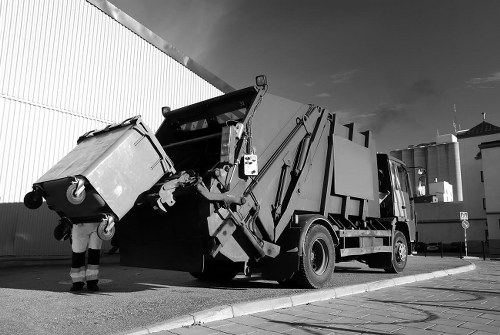 This Health and Safety Policy sets out the commitment of our commercial waste removal service to maintain safe operations across all rubbish and waste collection activities. The policy applies to all staff, contractors and temporary workers engaged in commercial rubbish removal, including waste collection, loading, transportation and depot handling. The purpose is to reduce risk, prevent injury and protect property while ensuring compliant, consistent service delivery for commercial clients and service areas.
Our waste removal operations are governed by a structured approach to hazard identification, risk assessment and control. Management will ensure adequate resources are made available for health and safety, including ongoing training, appropriate personal protective equipment (PPE), safe vehicles and clear procedures for hazardous materials. Safety is integral to every task, and all personnel are expected to follow safe systems of work.
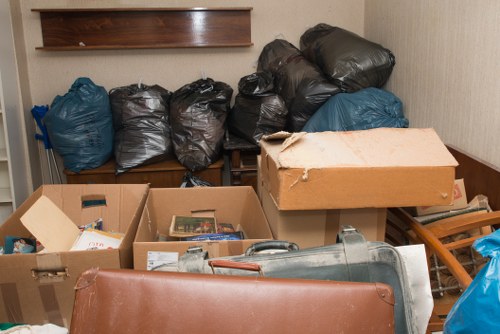 Scope: This policy covers operational activities for commercial waste collection and commercial waste removal in the service area, including client premises work, vehicle operations, depot activities and waste transfer. It does not provide legal advice but documents the company's operational standards for safe rubbish removal and compliance with statutory duties. All employees must be familiar with and adhere to this policy.
Responsibilities and Accountability
Managers and supervisors must demonstrate visible leadership in health and safety. They are responsible for implementing risk controls, carrying out regular inspections and ensuring that risk assessments are current for all commercial waste collection tasks. Accountability includes ensuring staff competence and that documented procedures are followed.
Employees and operatives engaged in commercial rubbish removal are required to work safely, use PPE, report hazards and cooperate with training and monitoring activities. Workers should immediately report incidents, near misses and unsafe conditions to their line manager so corrective action can be taken.
 The company will appoint competent persons to oversee fleet safety, vehicle maintenance and driver competence for safe waste transportation. Regular checks and maintenance programs must be recorded, and vehicles must carry appropriate safety equipment for roadside operations and waste containment.
Risk Assessment and Control Measures
Risk assessments will be conducted for all regular and non-routine tasks associated with commercial waste removal. Controls will follow a hierarchy: elimination, substitution, engineering controls, administrative actions and PPE. Examples include the use of mechanical lifting aids for heavy containers, segregation of hazardous waste and safe loading protocols to prevent manual handling injuries.
The policy mandates safe segregation of waste streams at source and during transport, with specific procedures for hazardous or potentially infectious waste. Staff must follow containment and labeling requirements, and not attempt to process unknown or hazardous items without specialist guidance.
Training and competence are essential controls. The company provides induction training, task-specific instruction and refresher sessions for drivers, loaders and supervisory staff. Records of training, licenses and qualifications are maintained and reviewed as part of performance monitoring.
Operational procedures include:
- Pre-shift vehicle checks and documentation of defects;
- Safe manual handling procedures and use of mechanical aids;
- Clear segregation and labeling of hazardous materials.
Emergency response procedures are documented and available to all staff. These include spill containment, first aid arrangements and reporting protocols for significant incidents. The company will liaise with emergency services as required and maintain clear actions for evacuation and scene management.
 Monitoring and performance review will be undertaken through routine audits, incident analysis and management reviews. Key performance indicators related to safety, such as incident rates, near misses and compliance with inspections, will be tracked. Continuous improvement will be sought via lessons learned and corrective action plans.
Contractors and subcontractors used in commercial waste collection are required to demonstrate equivalent standards of health and safety. The company will verify competence and procedures before appointing third parties and will monitor contractor performance through audits and site visits.
 Policy enforcement is supported by clear disciplinary procedures for non-compliance and by recognition of positive safety behaviors. The company encourages an open reporting culture where employees can raise concerns without fear of reprisal. All staff are empowered to stop work if they believe conditions are unsafe.
Review: This policy will be reviewed at least annually or following a significant incident, regulatory change or operational change affecting the commercial waste service. Revisions will be communicated to all staff and reflected in training programs. Commitment to improvement remains a constant priority.
Legal compliance: The company will meet applicable statutory duties for waste carriers and commercial waste contractors, maintaining relevant records and cooperating with regulatory authorities when required. This policy does not replace legal obligations but demonstrates our operational commitments to health and safety within the rubbish collection and waste transfer environment.
Conclusion: Through active leadership, risk-based controls, competent personnel and robust monitoring, our commercial waste removal operation aims to protect people, property and the environment. All personnel share responsibility for implementing this policy and contributing to a safe, professional waste removal service area.